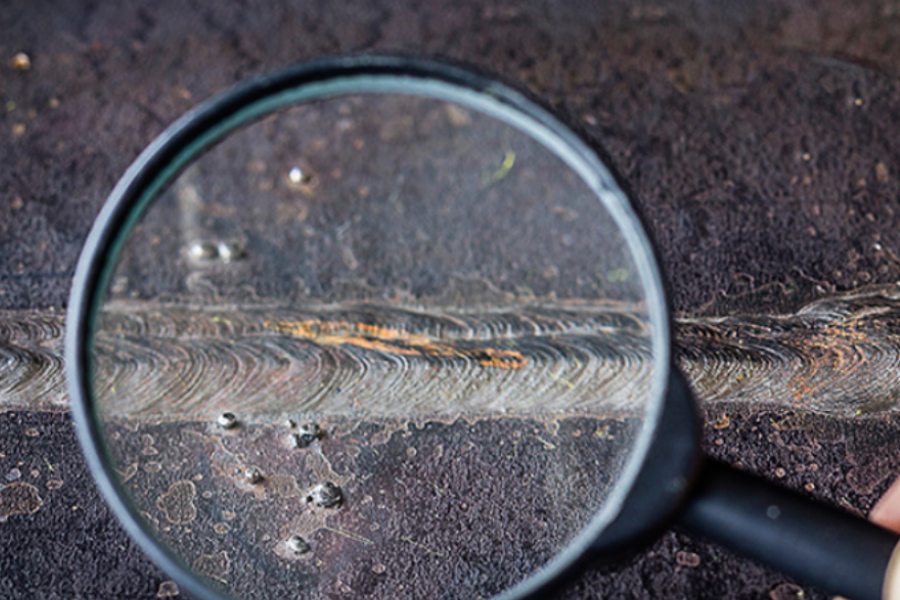
The most widely used inspection method — a critical foundation of any NDT program.
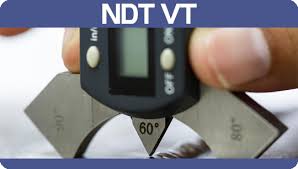
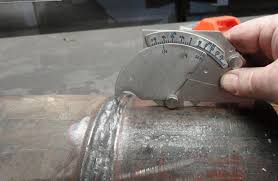
Visual Testing (VT) is probably the most widely used of all inspection methods. Despite the many factors which are beyond the scope of visual examination, it must be regarded as one of the most important methods for determining weld quality and general component integrity.
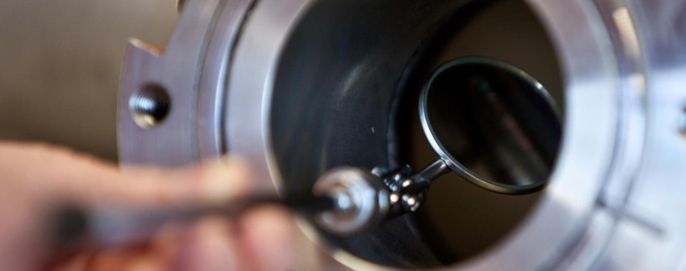
VT encompasses both direct visual inspection — where the inspector views the component directly — and remote visual inspection using tools such as mirrors, borescopes, video probes, and cameras to access confined or restricted areas.
All visual inspections are conducted by trained and certified personnel in accordance with applicable international codes including AWS, ASME, ISO 17637, and relevant South African standards. Detailed inspection reports with photographic records are provided.