What We Do

Our NDT
Services

A comprehensive suite of non-destructive testing techniques, conforming to international standards and tailored to your specific needs across all critical industries.

MT
NDT Technique

Magnetic Particle Testing

Rapid, reliable detection of surface and near-surface flaws in ferromagnetic materials.

What is Magnetic Particle Testing?

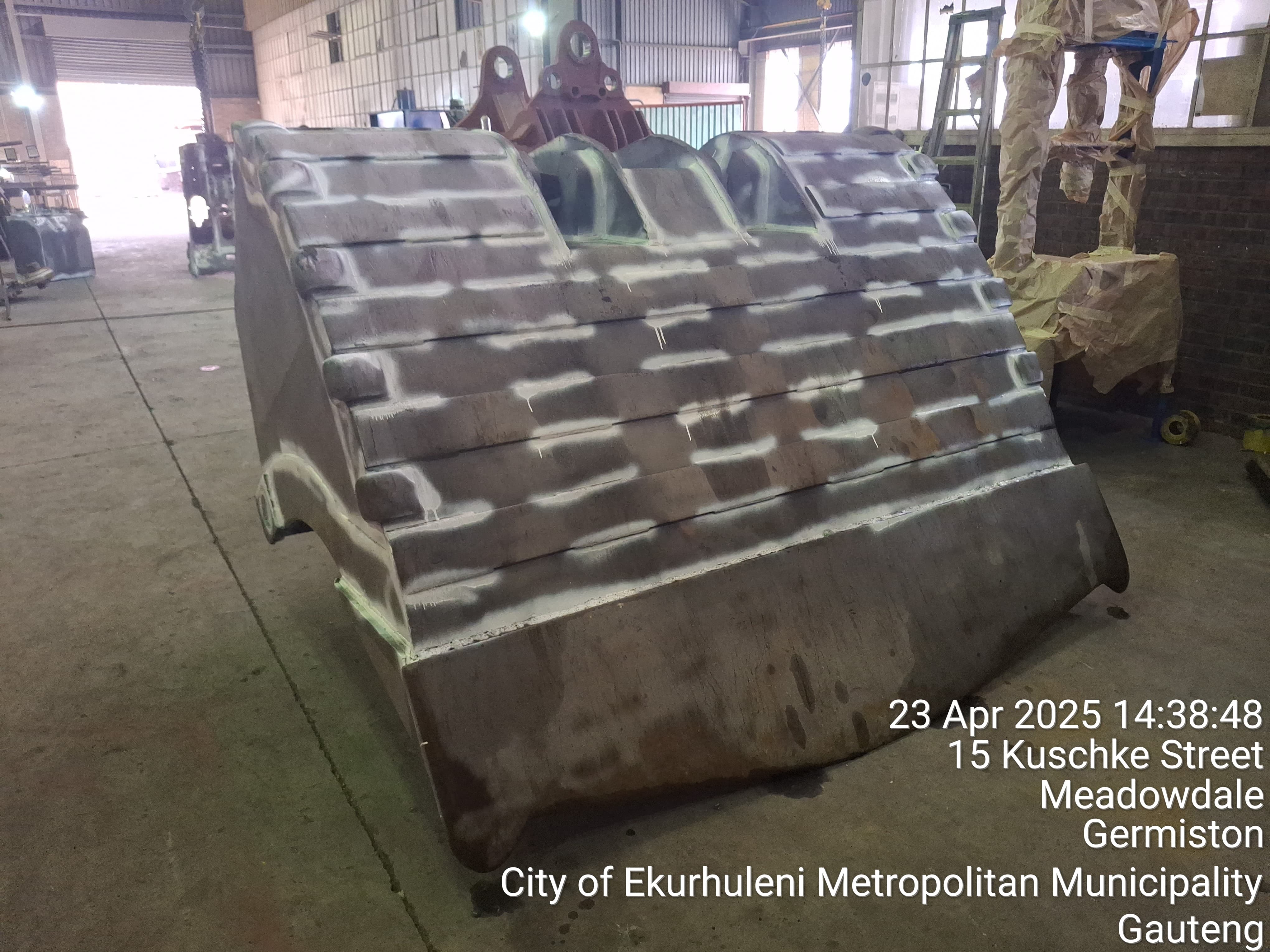
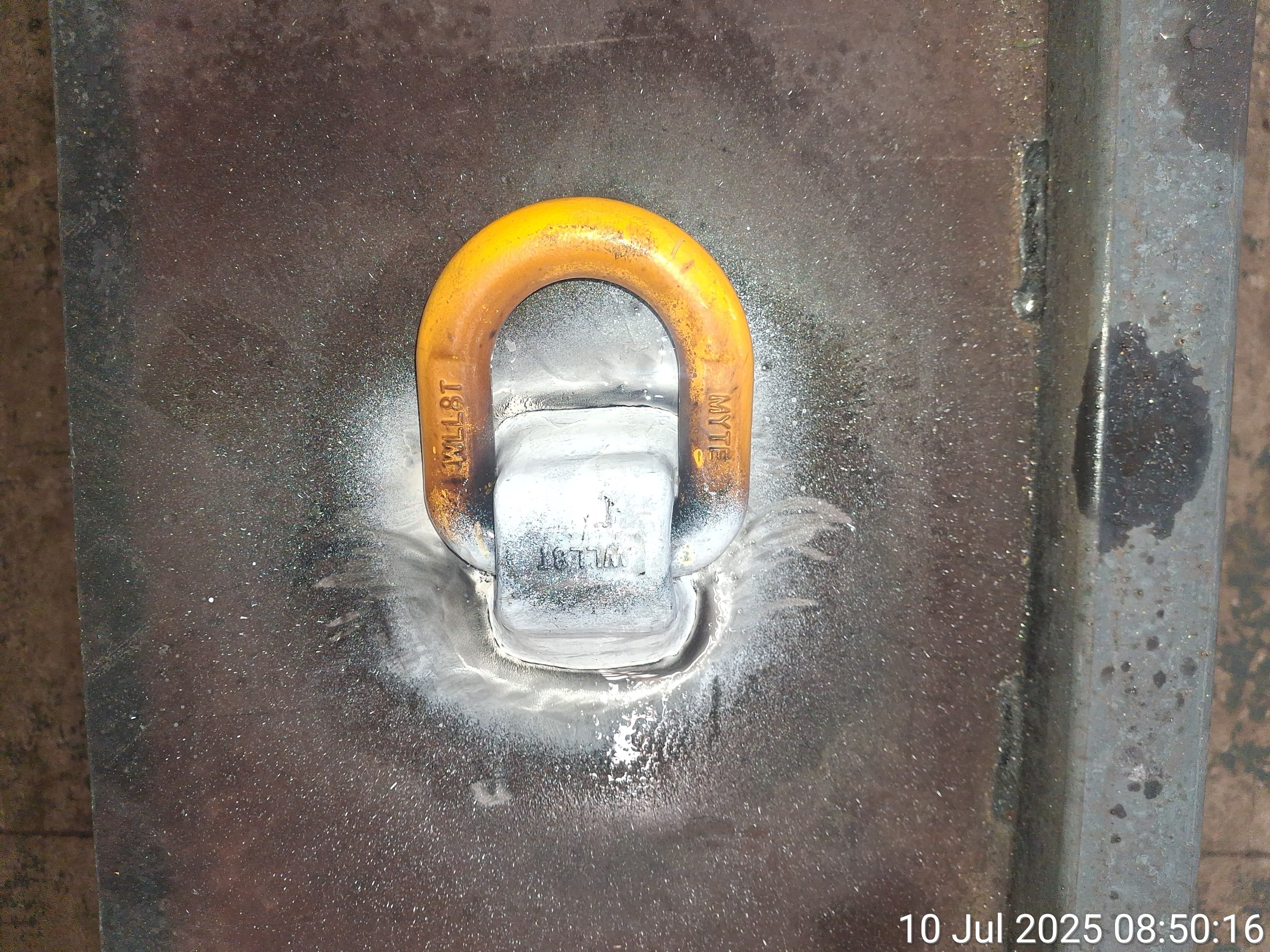
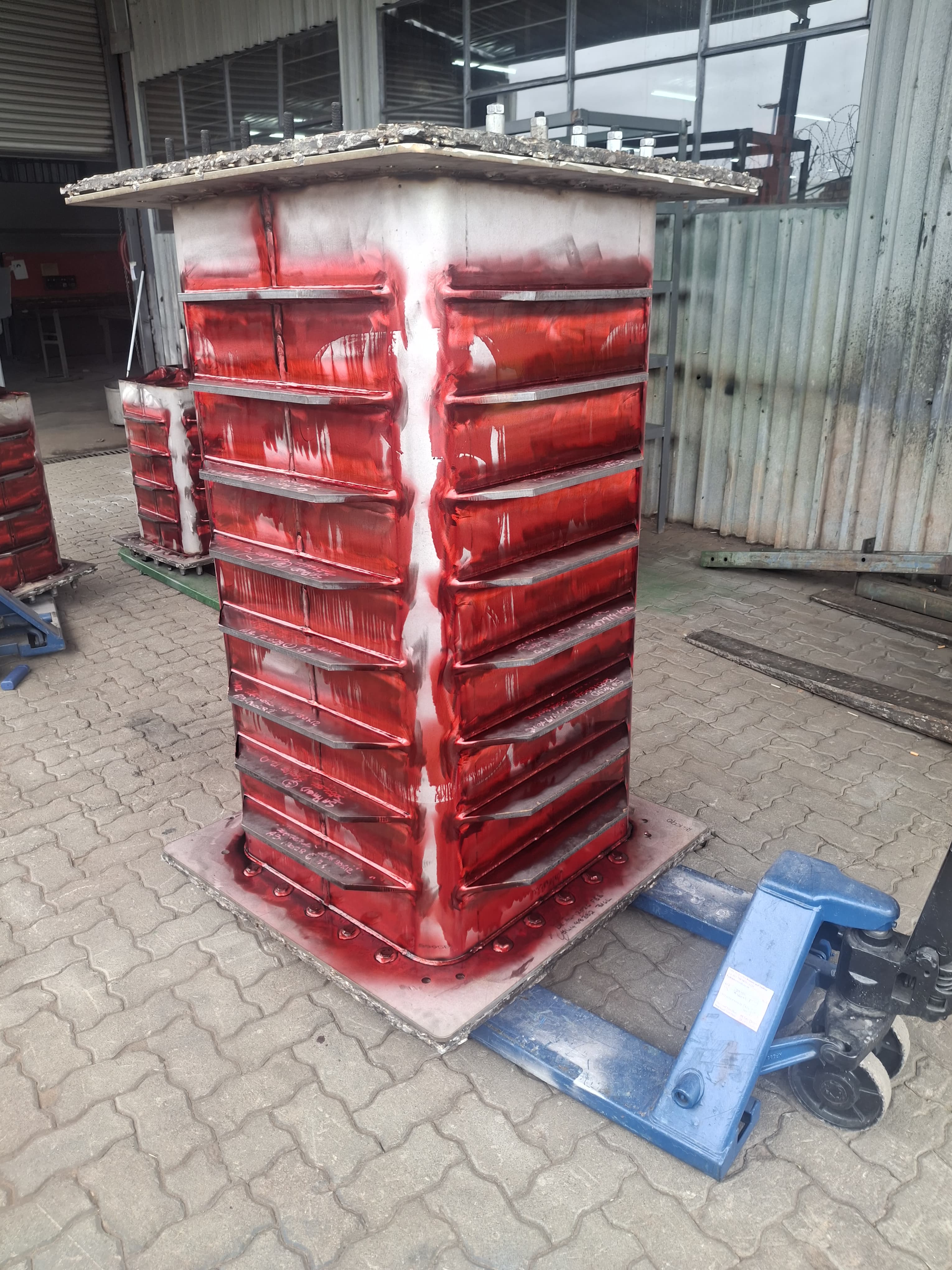
Magnetic Particle Inspection (MPI) is a method of quickly detecting cracks and other flaws on or near the surface of ferromagnetic materials. It is a fast, reliable, and relatively inexpensive NDT technique that provides immediate results.

How It Works

The component to be inspected is magnetised using a suitable magnetisation technique. Iron particles, either dry or suspended in liquid, are applied to the surface. Where there is a flaw, the magnetic field leaks out of the surface and attracts the particles, forming a visible indication of the defect.

Applications

  • Structural steel sections and frames
  • Weld inspection and post-weld quality assurance
  • Castings — detecting shrinkage cracks and cold shuts
  • Forgings — surface and subsurface flaw detection
  • Pipelines and pressure vessels
  • Drill pipe and downhole equipment
  • Axles, shafts, and rotating components

Key Advantages

  • Rapid inspection speed — ideal for high-volume inspection
  • Detects both surface and slightly subsurface defects
  • Immediate, visible indications on the component
  • Applicable to complex shapes and rough surfaces
  • Often used alongside other NDT techniques for comprehensive assessment
  • Conforms to ASME, ISO, ASTM, and EN codes

Standards & Certifications

All MEM NDT Services inspections are conducted in accordance with applicable international standards. Our personnel are qualified and certified to perform MT inspections on critical components in oil & gas, power generation, petrochemical, mining, and general engineering applications.

RT
NDT Technique

Radiographic Testing

Producing a permanent visual record of internal defects — from a single weld to complete plant shutdowns.

Overview

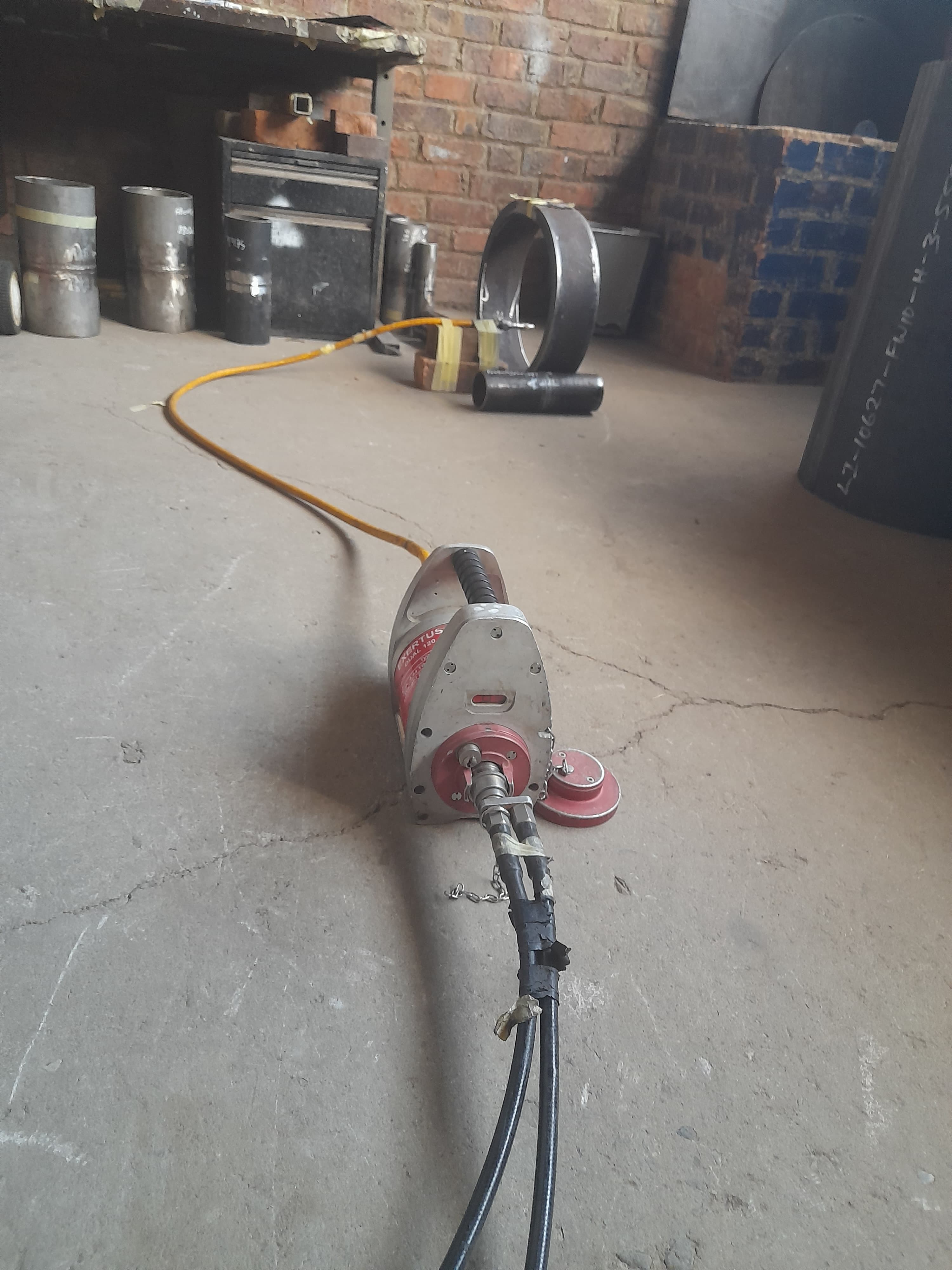
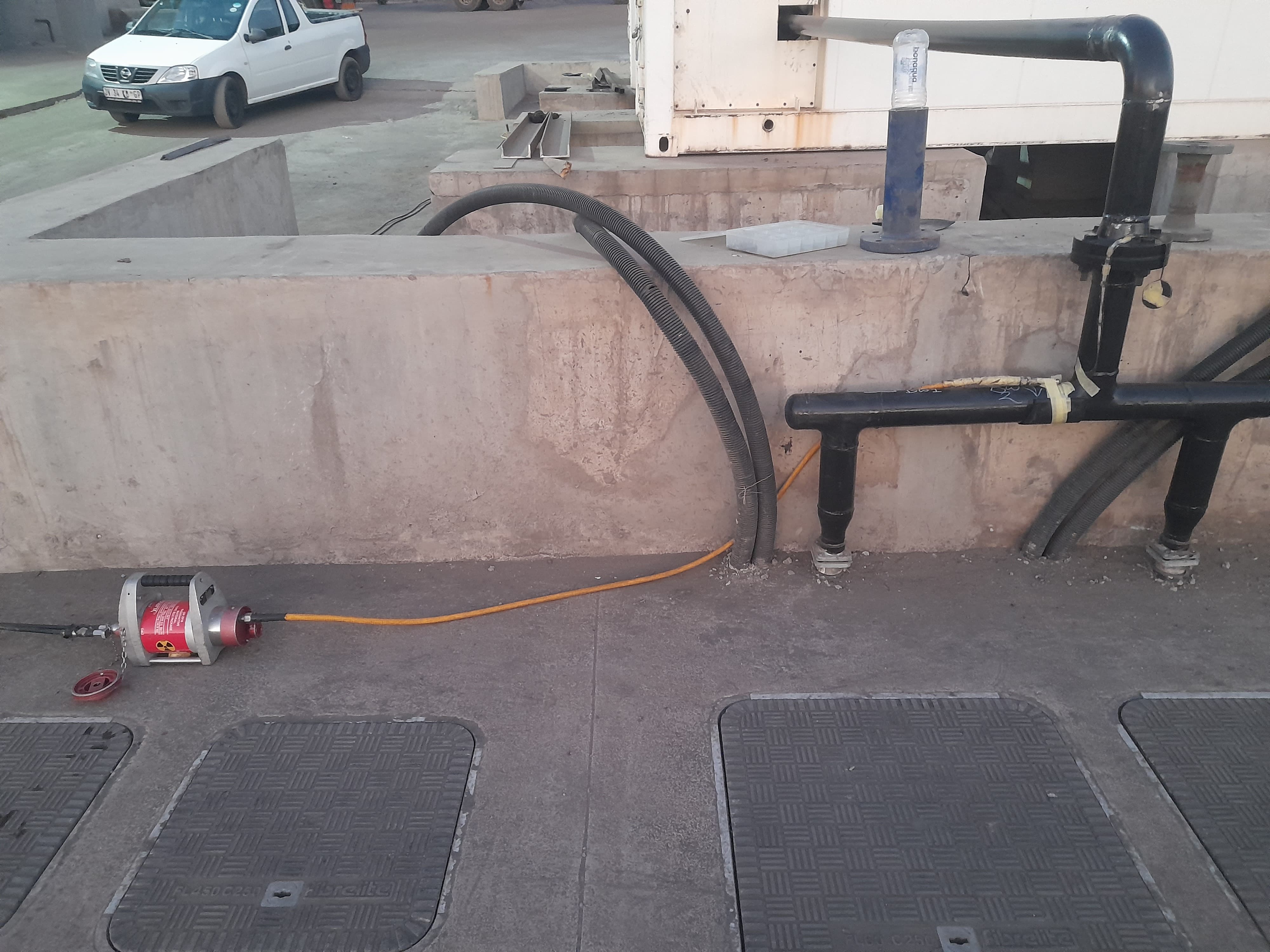
Radiography is one of the most important and versatile of all non-destructive testing methods used in modern industry. The key advantage is producing a permanent visual record of cavities, cracks, porosity, inclusions, and other flaws within the body of material.

Our RT Service

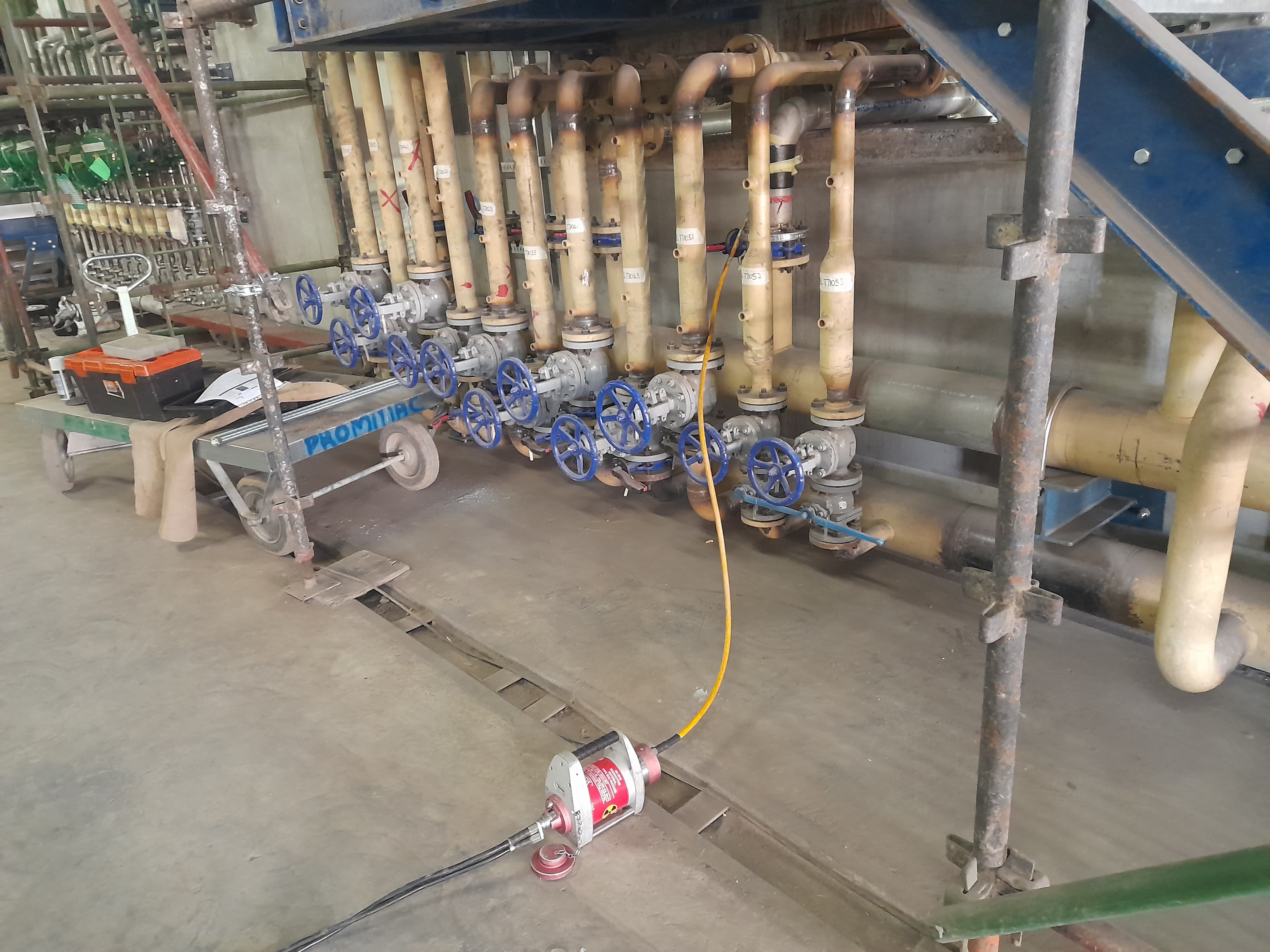
We offer a fast and accurate gamma ray service that can be called upon for the testing of a simple weld to a complete shutdown or installation program. We can provide an additional service liaising with the appropriate inspection authority for and on behalf of the client.

What We Can Detect

  • Internal cavities and voids
  • Cracks and lack of fusion in welds
  • Porosity and gas inclusions
  • Foreign inclusions and slag
  • Thickness variations and wall loss
  • Corrosion and material degradation

Applications

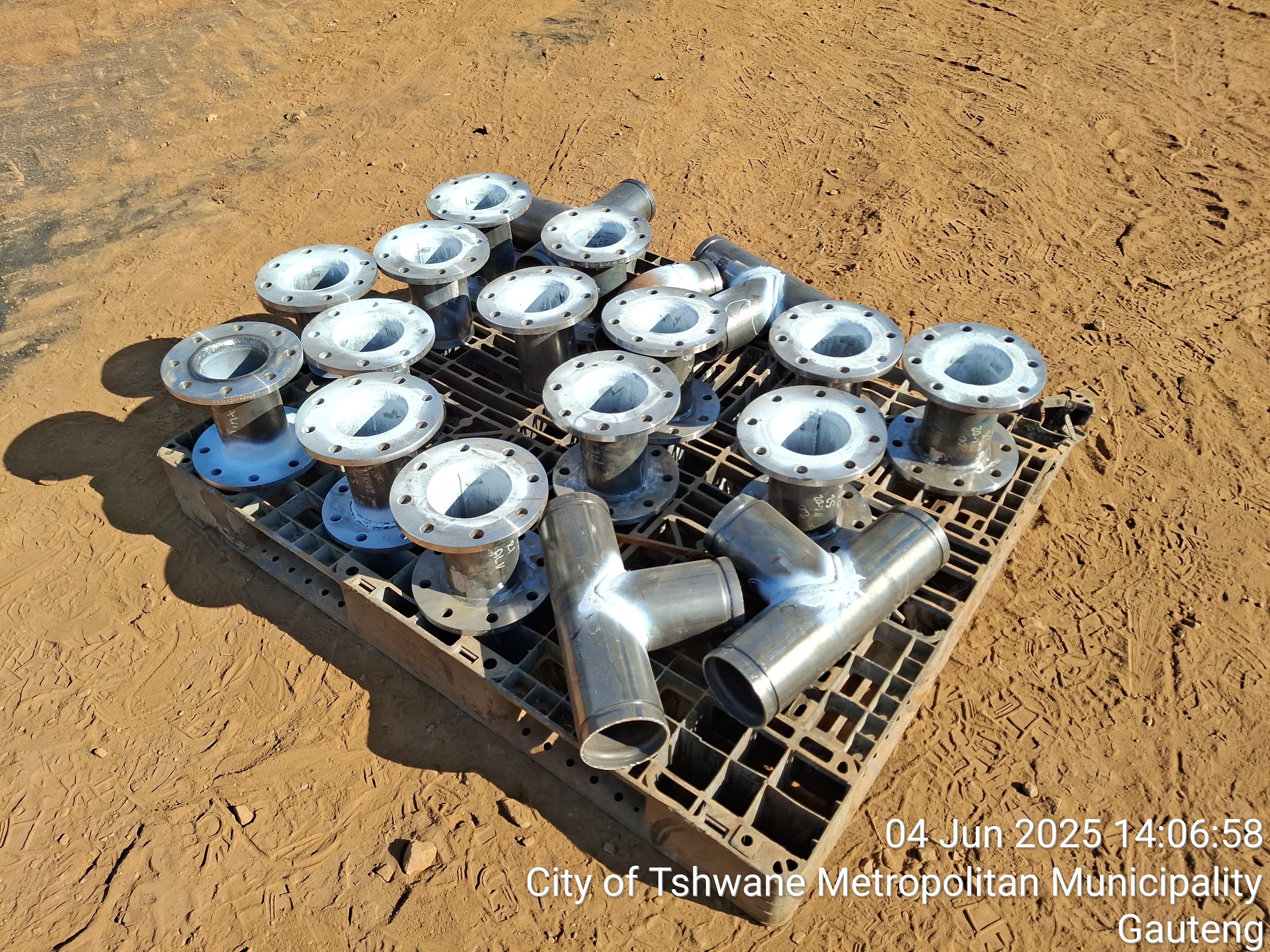
  • Pipeline and pressure vessel weld inspection
  • Structural weld quality verification
  • Castings and forgings quality assurance
  • Complete plant shutdowns and turnarounds
  • New installation inspection programs
  • Compliance with regulatory inspection authorities

Regulatory Liaison

MEM NDT Services can assist with submission of reports and coordinate with the relevant statutory inspection authority on behalf of our clients, streamlining the compliance process.

PT
NDT Technique

Liquid Penetrant Testing

Convenient detection of surface-breaking defects on virtually all materials — ferrous, non-ferrous, and non-metallic.

Overview

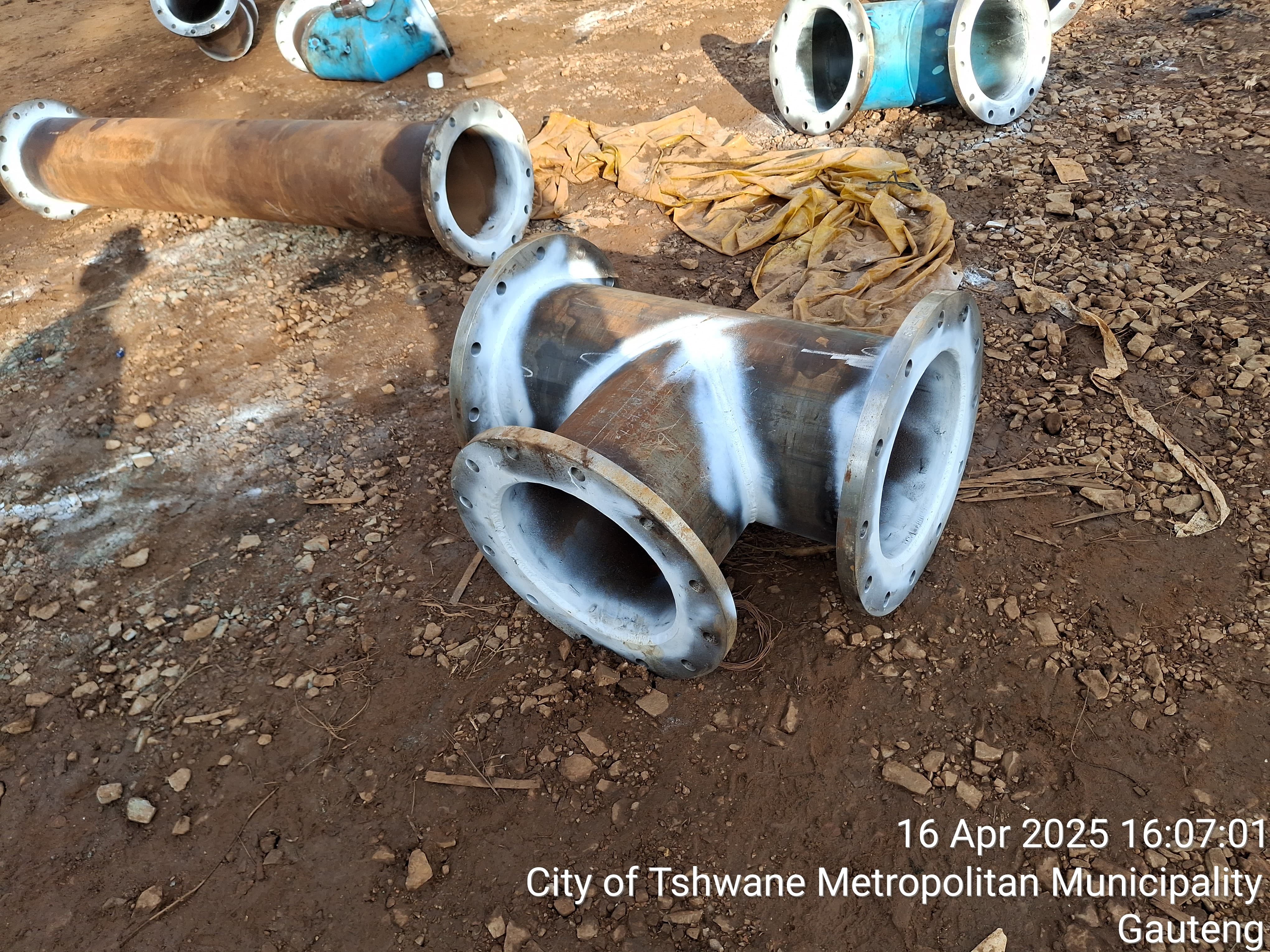
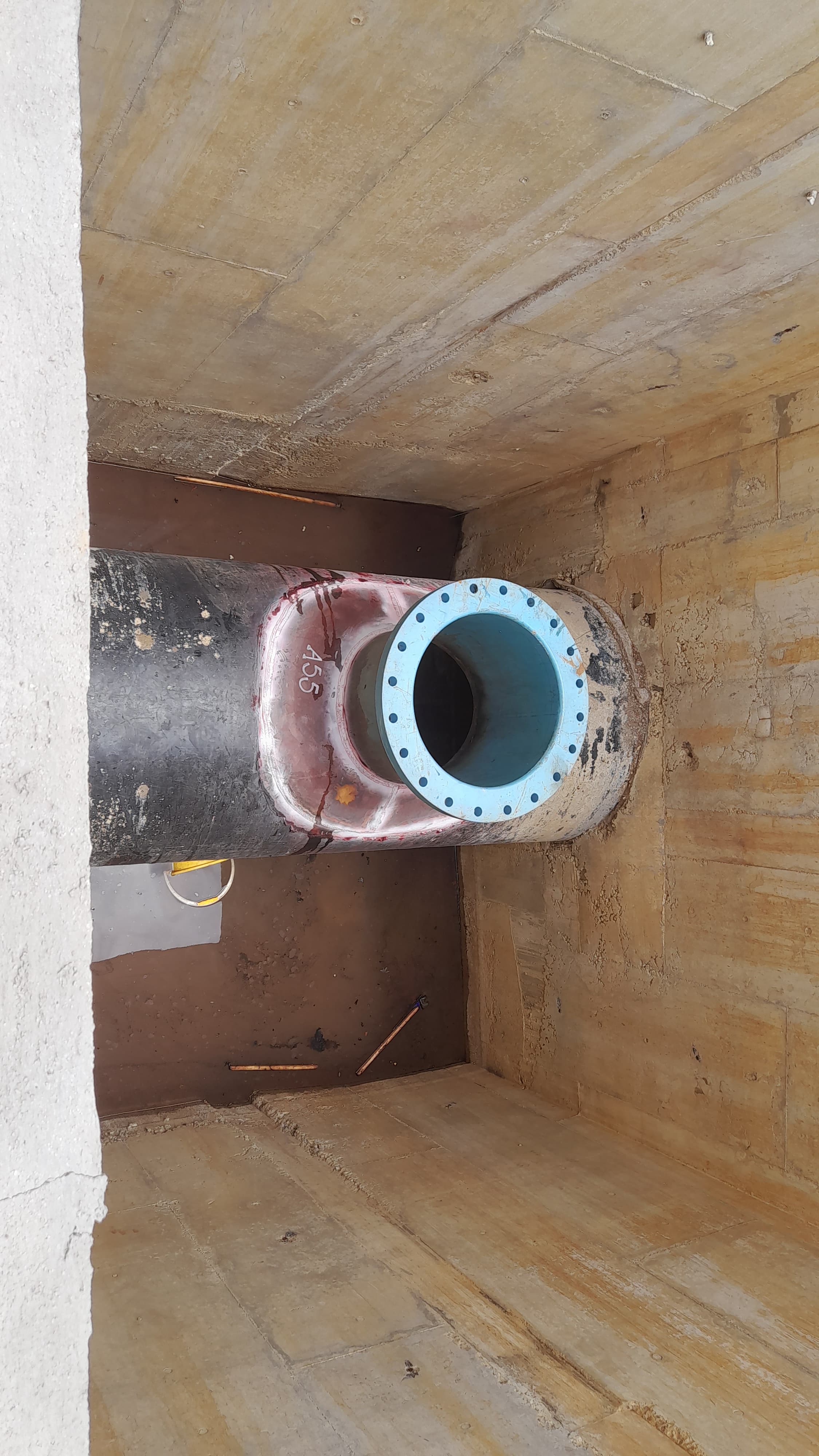
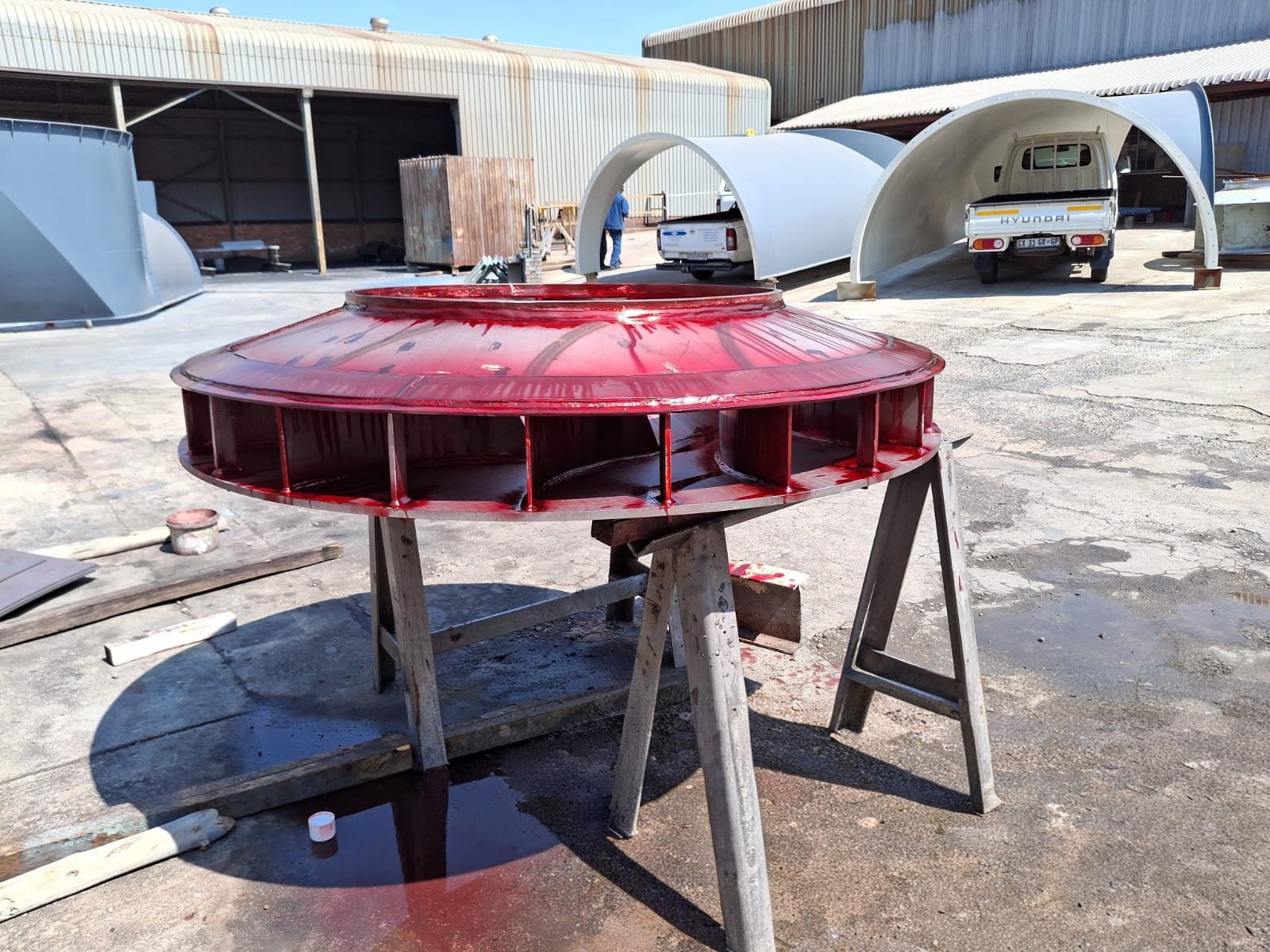
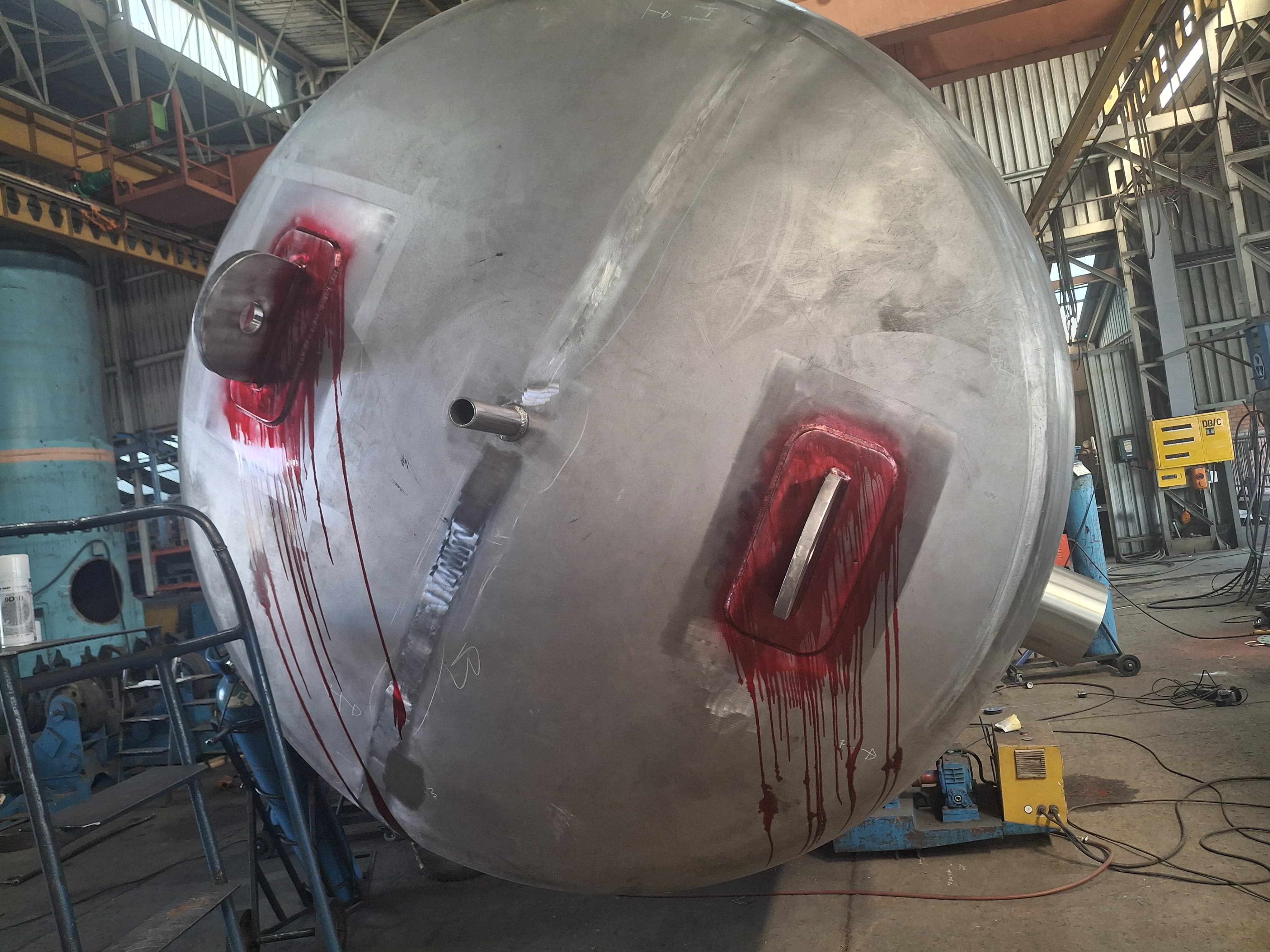
Dye penetrant inspection (DPI) is a convenient form of detecting surface breaking defects and has the advantage that it can be used on virtually all materials — ferrous, non-ferrous, metallic, and even many non-metallic surfaces.

Our PT Techniques

We offer various techniques from simple, but effective, red dye penetrants to more sophisticated high sensitivity fluorescent penetrants for use with ultraviolet light. The method chosen depends on the sensitivity required and the nature of the component being inspected.

The PT Process

  • Surface cleaning to remove contaminants
  • Penetrant application and dwell time to allow capillary action
  • Removal of excess penetrant from the surface
  • Developer application to draw penetrant out of defects
  • Inspection under white light (dye) or UV light (fluorescent)
  • Post-inspection cleaning and documentation

Applications

  • Weld inspection for surface-breaking defects
  • Casting and forging surface quality assessment
  • In-service inspection for fatigue cracks
  • Non-ferrous materials where MT is not applicable
  • Ceramic and composite components
  • Complex geometries and intricate components

Advantages

  • Applicable to almost any material type
  • Large areas can be inspected rapidly and cost-effectively
  • Highly sensitive fluorescent option available for critical components
  • Results are clear, unambiguous, and easy to document
  • Suitable for field use with portable kits
VT
NDT Technique

Visual Testing

The most widely used inspection method — the essential first step in every quality assurance program.

Overview

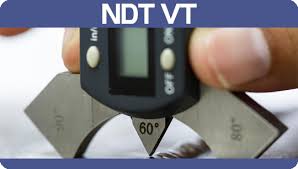
Visual Testing (VT) is probably the most widely used of all inspection methods. Despite the many factors which are beyond the scope of visual examination, it must be regarded as one of the most important methods for determining weld quality and general component integrity.

Direct and Remote Visual Inspection

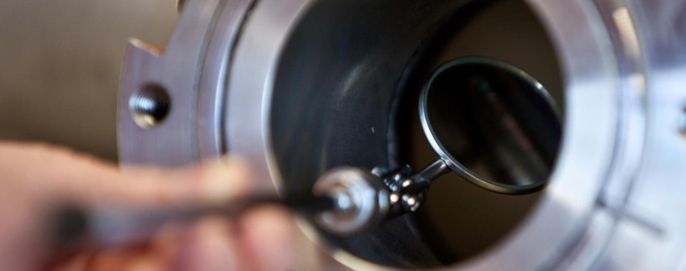
VT encompasses both direct visual inspection — where the inspector views the component directly — and remote visual inspection using tools such as mirrors, borescopes, video probes, and cameras to access confined or restricted areas.

What Visual Testing Can Identify

  • Surface cracks, undercuts, and overlap in welds
  • Dimensional non-conformances and misalignment
  • Surface corrosion and pitting
  • Mechanical damage, dents, and deformation
  • Incorrect surface finish or preparation
  • Missing or damaged components
  • Weld profile, bead geometry, and surface porosity

Applications

  • Pre-weld and post-weld visual inspection
  • In-process quality control during fabrication
  • In-service inspection of structures, vessels, and pipelines
  • Incoming material and equipment checks
  • Confined space and remote area inspection
  • Structural integrity assessments

Standards Compliance

All visual inspections are conducted by trained and certified personnel in accordance with applicable international codes including AWS, ASME, ISO 17637, and relevant South African standards. Detailed inspection reports with photographic records are provided.

WT
NDT Technique

Wall Thickness Measurement

Accurate corrosion mapping and remaining-thickness assessment — single-side access, no process shutdown required.

What is Wall Thickness Measurement?

Wall Thickness Measurement (WT) is a non-destructive testing technique used to determine the remaining material thickness of pipes, pressure vessels, storage tanks, structural components and other assets. It is one of the most critical tools in asset integrity management, enabling operators to detect and monitor corrosion, erosion and other forms of material degradation before they lead to failure.

At MEM NDT Services, our wall thickness surveys employ pulse-echo ultrasonic testing and, where appropriate, electromagnetic methods to deliver precise measurements from a single accessible surface — meaning processes need not be shut down or components dismantled.

Applications

  • Above-ground and buried pipeline corrosion surveys
  • Pressure vessel and heat exchanger shell inspections
  • Storage tank floor and shell condition assessment
  • Boiler tube and header thickness monitoring
  • Structural steel sections under insulation (CUI screening)
  • Marine hull and offshore structure surveys
  • Refinery and petrochemical plant integrity checks
  • Mining processing equipment — cyclones, chutes, hoppers

Key Benefits

  • Single-side access — no need to cut, drain or dismantle components
  • Non-invasive — process fluids remain contained; plant can stay online
  • Highly accurate — resolutions to ±0.1 mm or better on steel and alloys
  • Wide material range — steel, stainless, copper, aluminium, HDPE and more
  • Detailed mapping — grid surveys identify localised corrosion pits and thin zones
  • Permanent records — digital data and colour-coded corrosion maps for client reporting

Standards & Codes

  • API 570 — Piping Inspection Code
  • API 510 — Pressure Vessel Inspection Code
  • API 653 — Above-Ground Storage Tank Inspection
  • ASME B31.3 — Process Piping
  • ISO 16809 — Ultrasonic thickness measurement
WI/P
Service · WI / WPS / PQR / WPQ

Welding Inspection & Procedures

End-to-end weld quality services — comprehensive inspection across all phases, plus WPS development, PQR witnessing and WPQ certification to all major codes.

Part 1 — Weld Inspection (WI)

Overview

Weld Inspection (WI) is a comprehensive quality assurance process that combines visual examination with advanced NDT techniques to ensure weld integrity, dimensional accuracy, and compliance with applicable codes and standards. Proper weld inspection is critical to the safety and reliability of structures, pressure vessels, pipelines, and mechanical equipment.

MEM NDT Services provides a complete weld inspection service covering all phases of the welding process — from pre-weld preparation and in-process monitoring to post-weld evaluation. Our qualified weld inspectors ensure that welds conform to project specifications and international codes.

Inspection Phases

  • Pre-weld: Material certification check, joint preparation, fit-up, and preheat verification
  • In-process: Interpass temperature monitoring, pass-by-pass visual assessment
  • Post-weld: Final visual inspection, dimensional checks, and NDT as specified

Defects Identified

  • Cracks — hot cracks, cold cracks, crater cracks
  • Porosity, worm holes, and gas pockets
  • Lack of fusion and incomplete penetration
  • Undercut, overlap, and excessive reinforcement
  • Burn-through and arc strikes
  • Slag inclusions and tungsten inclusions

Weld Inspection Codes & Standards

  • AWS D1.1 Structural Welding Code
  • ASME Section IX Welding and Brazing Qualifications
  • ISO 5817 Weld Quality Levels
  • API 1104 Pipeline Welding
  • EN 13480, EN 13445, and other European standards

Part 2 — Welding Procedures (WPS / PQR / WPQ)

What Are Welding Procedures?

A Welding Procedure Specification (WPS) is a formal written document that provides the required welding variables for a specific application. It ensures that every weld is produced consistently, to the correct quality, and in compliance with the applicable code or standard. Together with the Procedure Qualification Record (PQR) — the test data that validates the WPS — and the Welder Performance Qualification (WPQ) — which certifies each welder's skill — these documents form the backbone of a fabrication or construction quality system.

Without properly developed and qualified welding procedures, fabrication projects risk non-conformance, costly rework, regulatory rejection and — most critically — structural failures. MEM NDT Services takes the complexity out of the process, guiding clients from concept through to fully qualified, code-compliant documentation.

Our Welding Procedure Services

  • WPS Development — drafting new welding procedure specifications tailored to your base materials, joint configurations, welding processes and service conditions
  • PQR Witnessing & Documentation — attending and witnessing qualification test welds, coordinating destructive and non-destructive testing, and compiling the procedure qualification record
  • WPQ / Welder Qualification — organising and witnessing performance qualification tests for individual welders and welding operators, issuing certificates of qualification
  • Procedure Review & Audit — reviewing existing WPS/PQR packages for code compliance, identifying gaps and updating documentation to current standards
  • Essential Variables Assessment — evaluating changes to welding variables to determine whether re-qualification is required
  • Code Interpretation & Advisory — providing technical guidance on applicable standards, helping clients select the correct code for their industry and jurisdiction

Welding Procedure Standards

  • ASME Section IX — Welding, Brazing and Fusing Qualifications (pressure vessels, boilers, piping)
  • AWS D1.1 — Structural Welding Code — Steel
  • AWS D1.2 / D1.5 / D1.6 — Aluminium, Bridges and Stainless Steel
  • API 1104 — Welding of Pipelines and Related Facilities
  • EN ISO 15614-1 — Specification and Qualification of Welding Procedures
  • EN ISO 9606 — Qualification Testing of Welders
  • SANS 2920 / SANS 10400 — South African national standards

Welding Processes Covered

  • SMAW (Shielded Metal Arc Welding / Stick)
  • GTAW / TIG (Gas Tungsten Arc Welding)
  • GMAW / MIG/MAG (Gas Metal Arc Welding)
  • FCAW (Flux-Cored Arc Welding)
  • SAW (Submerged Arc Welding)
  • MCAW (Metal-Cored Arc Welding)
  • OAW and other specialist processes on request

Industries & Applications

  • Oil & gas — upstream, midstream and downstream pipelines and facilities
  • Petrochemical and refinery construction and maintenance
  • Power generation — boilers, pressure vessels and piping systems
  • Mining — structural steelwork, plant and processing equipment
  • General fabrication, manufacturing, structural and civil engineering
  • Shipbuilding and marine structures